



My Real Life Story
A couple weeks ago, I was out dancing with my friends at a country western bar called the Flying X. It was a normal night—two-stepping, laughing, letting life feel light again.
Then I noticed a new guy.
He was cute. Older (I later learned he was 63). And you could tell immediately he knew how to dance. I’m the type who will ask—so I did. “Want to dance?”
We danced really well together. Like really well. The kind of connection that makes you think, Oh… okay. Maybe there’s still something out here for me.
He didn’t chase me. I was with my friends, and I kept inviting him onto the floor. It felt easy. After a couple hours we parted ways, and I told him I’d be there the next night—Friday—if he wanted to dance again.
He said he was in Lake Havasu looking at property to possibly buy. Music was loud, it was hard to talk, but we exchanged info. I gave him my business card. I didn’t ask a ton of questions about him.
The next night, he showed up—and the first thing he did was hand me a $20 gift card and tell me to buy pepper spray.
He’d mentioned the night before he was a “bounty hunter” or “bail bondsman” and a former federal law enforcement agent. The pepper spray gift was framed like protection.
Friday night was fun—more dancing, strong chemistry on the floor. At the end of the night, he walked me to my car and we talked. He said he’s had a hard time with women because they “always want to go home with him,” and he doesn’t want that. He said he’s wary of relationships.
There was no kissing. I don’t even know if there was a hug. That was fine with me.
He asked me to text him when I got home so he knew I was safe. In that moment, it felt caring. So I did.
And that’s the backstory.
Because what came next is what this blog is really about: how quickly “protective” can slide into pressure, entitlement, and control—especially when you’re dating after divorce and trying to do it with a soft heart and a smart brain.

The Red Flags I Wish Someone Would’ve Named for Me (Early)
Quick Red Flag Checklist
!!SAVE THIS!!
If he:
✅ mocks your boundaries
✅ rushes intimacy or trips
✅ guilt-trips you for his choices
✅ wants access he hasn’t earned
✅ punishes you publicly or emotionally
✅ makes you feel like you’re “in trouble”
…that’s your sign.
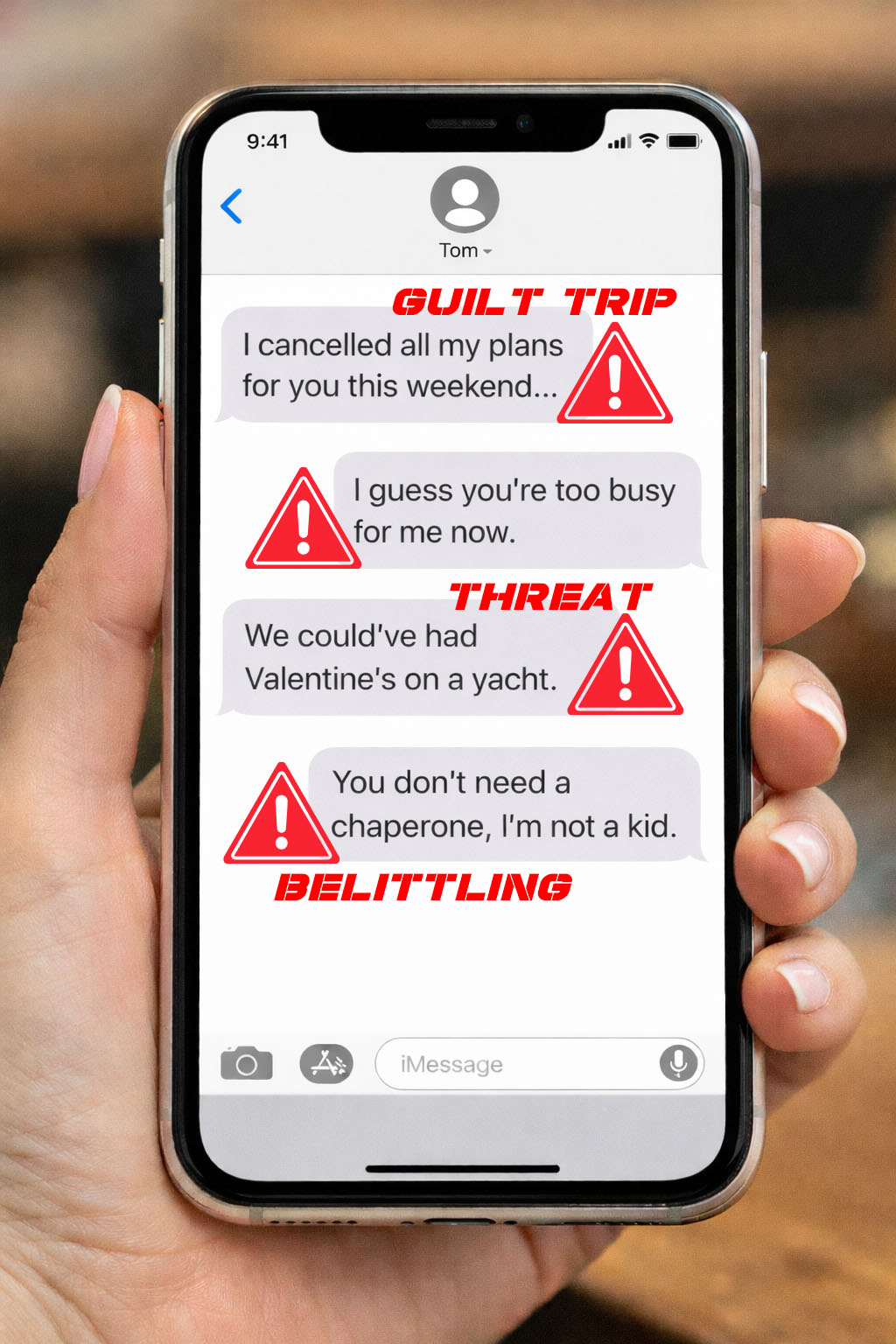
You’re not “too much.”
You’re just finally listening to yourself.
Why This Hits Hard After Divorce
After divorce, many of us are rebuilding:
- trust
- identity
- confidence
- nervous-system safety
So when someone shows strong interest, it can feel exciting—like proof that life is opening again.
But this is the tricky part:
Intensity can look like affection when you’re craving steadiness.
And if you’ve experienced abandonment before, inconsistency or pressure can trigger that “end of the world” feeling—even if your logical brain knows it’s not rational.
That doesn’t mean you’re broken. It means you’re human.
The “Informed but Personal” Takeaway
This wasn’t about me being too cautious.
And it wasn’t about me doing something wrong.
I did something normal:
- I wanted to take it slow.
- I wanted local first.
- I wanted to feel safe.
- I wanted to build trust over time.
His reaction showed me his emotional style:
- defensive
- pressuring
- resentful
- entitled
The red flags didn’t appear because I asked for too much.
They appeared because I asked for something reasonable—and he didn’t like it.
What To Do Instead: Practical Solutions (No Drama Required)
1) Use the “Local First” Rule
No trips, no weekends away, no hotel stays until trust is earned.
Script:
“Let’s keep it local while we get to know each other.”
2) Keep information balanced
If he knows your workplace, neighborhood, or social accounts—make sure you know:
- full name
- basic background
- where he lives (generally)
- enough to feel grounded
Script:
“Before we meet again—what’s your last name? I realized I know a lot about you, but not that.”
3) Watch how he handles small “no’s”
Small boundaries reveal big truths.
- “Let’s meet there—I’ll drive myself.”
- “I’m not available that weekend.”
- “I prefer daytime for the first meetup.”
A good man adjusts.
A controlling man argues.
4) Don’t negotiate with guilt
Guilt is not a love language.
If someone says, “I did X for you,” and you didn’t ask for X—remember:
That was their choice. Not your debt.
5) Protect your peace digitally
If someone becomes passive-aggressive or shaming:
- delete comments
- unfriend/block
- lock down privacy settings
- stop feeding the dynamic
- Peace is a boundary too.
A Final Word: Chemistry Isn’t Compatibility
We danced well together. That part was real.
But chemistry is just one ingredient.
Compatibility includes:
- emotional maturity
- respect
- stability
- pacing
- safety
If you feel shaky, anxious, or like you need to manage someone’s emotions early on…
That’s not butterflies. That’s a warning.
And if you can walk away from that at 60?
That’s not “giving up.”
That’s wisdom.